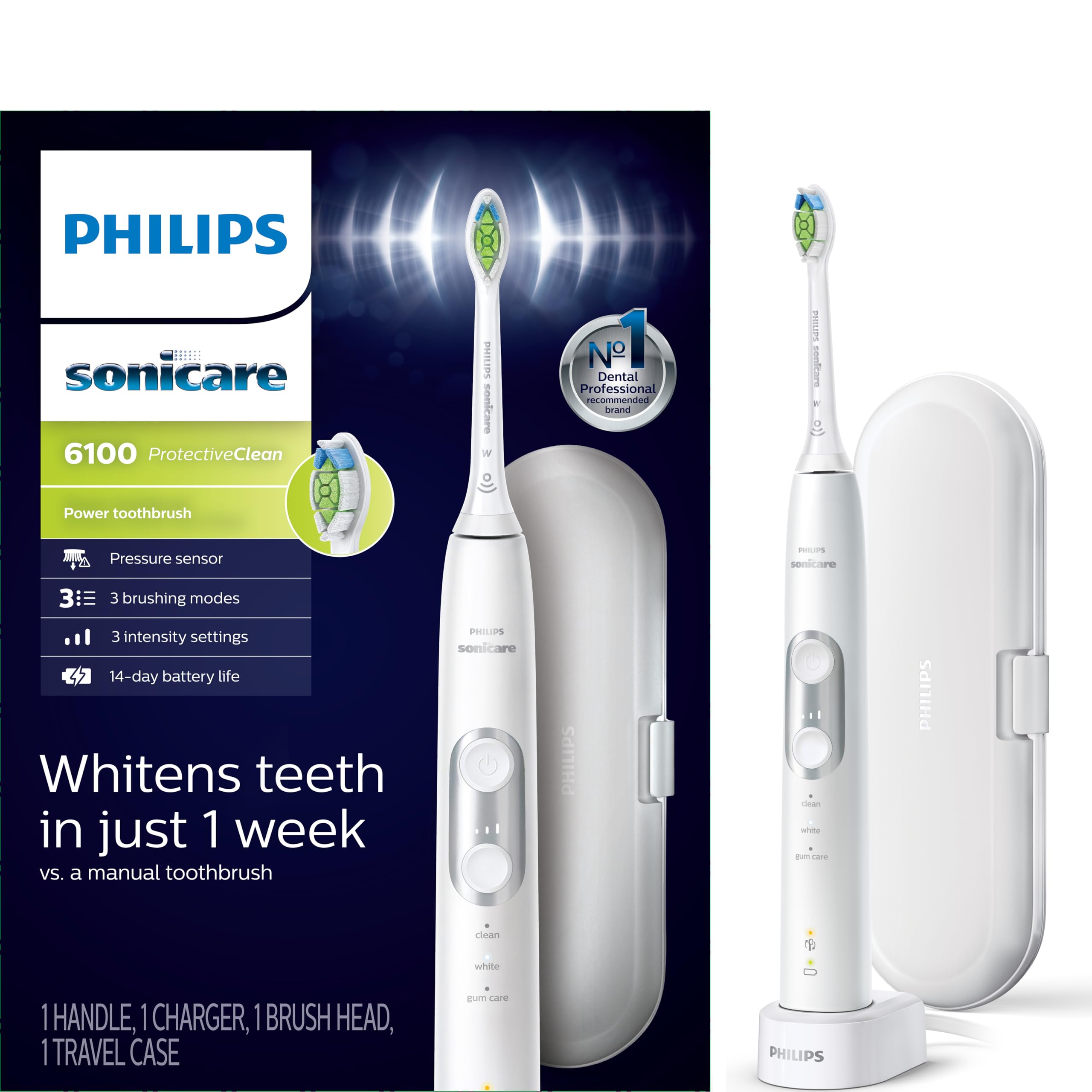
Is Your Daily Brushing Routine Truly Delivering? A Deep Dive into the Sonicare 6100
In an age where smart technology infiltrates every corner of our homes, it was only a matter of time before our toothbrushes followed suit. But does a “smart” toothbrush like the Philips Sonicare ProtectiveClean 6100 really make a tangible difference to our oral health and overall quality of life? Or is it just another expensive gadget vying for a spot on your bathroom counter? As a Senior Tech Editor obsessed with genuine utility, I embarked on a mission to thoroughly test this premium offering. Here’s my objective, no-holds-barred verdict on whether this device lives up to its hefty price tag.
Key Specifications at a Glance
| Feature | Detail |
|---|---|
| Model Name | Philips Sonicare ProtectiveClean 6100 |
| Brush Movements | Up to 62,000 per minute |
| Brush Modes | Clean, White, Gum Care (3 modes) |
| Intensity Settings | 3 levels |
| Pressure Sensor | Yes, built-in (alerts for excessive pressure) |
| Battery Type | Lithium-ion |
| Battery Life | Up to 2 weeks |
| Special Feature | BrushSync Technology (brush head replacement reminder) |
Beyond Basic Brushing: What Makes the 6100 Stand Out?
While any electric toothbrush promises a better clean, the ProtectiveClean 6100 attempts to redefine the experience with a trio of core features. But do they actually deliver real-world benefits?
1. Tailored Cleaning with Multiple Modes and Intensities
The 6100 offers three distinct modes – Clean, White, and Gum Care – each with three intensity settings. This level of customization is genuinely appreciated. I found myself using the ‘Clean’ mode for my morning routine and switching to a gentler ‘Gum Care’ mode in the evenings. It’s not just a gimmick; being able to adapt to my gum sensitivity after a dental visit or simply choose a more powerful ‘White’ mode for an extra polish felt like a significant upgrade from basic on/off models. It truly allows for a personalized approach to daily oral hygiene.
2. The Guardian of Gums: Integrated Pressure Sensor
This feature, for me, is the true unsung hero. Like many, I often brush too hard, unknowingly damaging my gums. The 6100’s pressure sensor is a game-changer: when I apply excessive force, the toothbrush emits a pulsating sound and reduces vibrations, forcing me to ease up. Initially, it was a subtle annoyance, but over weeks, it has retrained my brushing habits. This isn’t just a convenience; it’s a vital preventative measure for long-term gum health. For anyone prone to gum recession or sensitivity, this alone could justify the investment.
3. BrushSync Technology: Smart, But Is It Essential?
BrushSync is designed to track how long you’ve used your brush head and how much pressure you’ve applied, notifying you when it’s time for a replacement. On paper, it’s brilliant – no more guessing if your brush head is past its prime. In practice, it works seamlessly. However, here’s my critical take: while convenient, it also subtly nudges you towards purchasing replacement heads more regularly. It’s a smart piece of engineering, undoubtedly, but also a clever way to ensure continuous revenue for Philips. Is it essential? Probably not for everyone, but it certainly removes a common point of neglect in oral care.
Pros & Cons: The Honest Assessment
- Superior Cleaning Performance: The sonic vibrations deliver an undeniable deep clean, leaving teeth feeling smooth and polished, akin to a professional cleaning.
- Excellent Gum Protection: The pressure sensor is a standout, genuinely helping to prevent damage from over-brushing.
- Customizable Experience: Multiple modes and intensity settings allow for tailored oral care, addressing various needs and sensitivities.
- Long Battery Life: Up to two weeks on a single charge is fantastic for travel, reducing charger clutter.
- Premium Price Tag: There’s no getting around it – this is an expensive toothbrush. The initial investment is significant.
- Ongoing Cost of Brush Heads: While BrushSync is helpful, the cost of genuine Philips replacement heads can add up over time, making it a pricier long-term commitment.
- Charger Bulkiness: The charging base, while functional, isn’t particularly sleek and can take up valuable counter space, which is a minor aesthetic gripe.
The Verdict: Who Should Buy It, and Who Should Skip It?
The Philips Sonicare ProtectiveClean 6100 is more than just a toothbrush; it’s an investment in your long-term oral health. It genuinely elevates the daily brushing experience, offering a level of cleanliness and gum protection that manual brushing or simpler electric models simply can’t match.
Who should open their wallet for this:
- Individuals with sensitive gums or a history of over-brushing.
- Anyone seeking a deeper, more thorough clean than their current method provides.
- Those who prioritize oral health and view it as a long-term investment.
- People who drink a lot of coffee/tea and want to maintain whiter teeth more easily.
Who might want to reconsider:
- Budget-conscious consumers who find the initial price and recurring brush head costs prohibitive.
- Those perfectly content with their current brushing routine and see no need for smart features.
- Minimalists who prefer simple, no-frills appliances.
Ultimately, the ProtectiveClean 6100 isn’t just about cleaning your teeth; it’s about optimizing your oral health routine with intelligent design. If you’re ready to invest in a superior brushing experience that offers tangible benefits, this Philips Sonicare model stands out. But be prepared for the ongoing commitment to genuine replacement brush heads.
🏆 Editor’s Choice
Philips Sonicare ProtectiveClean 6100
Best value model to upgrade your lifestyle
* Affiliate disclaimer: We may earn a commission from purchases.
#philips sonicare #electric toothbrush #oral care #dental health #protectiveclean 6100