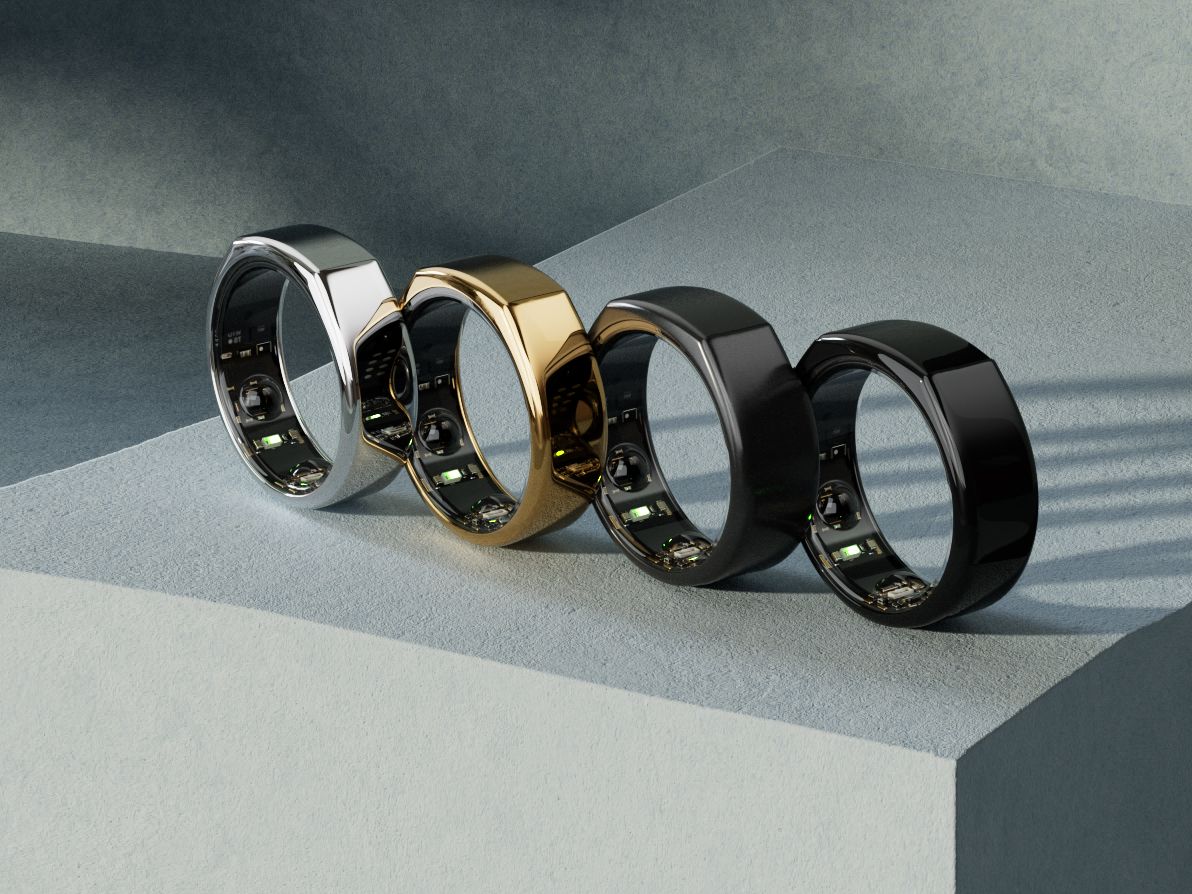
In a world obsessed with optimizing every facet of our lives, from productivity hacks to bio-hacking diets, it’s easy to feel overwhelmed. How do you truly know if you’re getting enough restorative sleep? Is your body ready for that intense workout, or are you pushing yourself towards burnout? For years, I've sought a discreet, non-intrusive way to genuinely understand my body's signals. Enter the Oura Ring Gen3 – a sleek piece of technology promising to unlock the secrets of your sleep, activity, and overall recovery.
Unpacking the Tech: Key Specifications
First, let's cut through the marketing noise and look at what's under the hood.
| Specification | Detail |
|---|---|
| Weight | 4-6 grams (depending on size) |
| Battery Life | 4-7 days |
| Sensors | PPG (Green & Red LEDs), NTC Temperature, Accelerometer, Gyroscope |
| Material | Titanium with PVD coating |
| Water Resistance | Up to 100 meters (330 feet) |
Beyond the Basics: My Deep Dive into Core Features
The Oura Ring Gen3 isn’t just a step counter; it’s a personal health insights engine. Here are the three areas where it truly shines, and where I spent most of my testing time:
1. The Art of Sleep Decoding
For me, the paramount feature is its exceptionally detailed sleep tracking. Unlike many wearables that merely log sleep duration, the Oura Ring goes deep. It accurately differentiates between light, REM, and deep sleep stages, factoring in your heart rate variability (HRV) and resting heart rate. The daily 'Readiness Score' isn’t just a number; it's an algorithmically derived recommendation based on your sleep, activity, and body temperature. I found this invaluable for deciding whether to push for a morning run or opt for active recovery. It genuinely shifted my understanding of what 'good sleep' truly means for my body.
2. Activity & Recovery: A Holistic View
While not a dedicated fitness tracker (don't expect real-time GPS or a screen), Oura excels at painting a comprehensive picture of your activity and, more importantly, your recovery. It logs steps, estimated calories burned, and can even auto-detect some activities. But the real magic lies in its integration with your recovery metrics. A strenuous workout might lead to a lower Readiness Score the next day, prompting you to take it easy. This intelligent feedback loop helps prevent overtraining and promotes sustainable wellness habits. It's about listening to your body, not just pushing it.
3. The Subtle Power of Advanced Health Metrics
The Gen3 introduced 24/7 heart rate tracking, SpO2 (blood oxygen saturation) sensing, and continuous body temperature monitoring. While SpO2 is still somewhat nascent in its practical application for daily users, the continuous temperature tracking is a game-changer. For women, it offers unique insights into menstrual cycles, and for everyone, it can be an early indicator of potential illness or stress. I noticed my temperature subtly rise days before feeling ill, providing a proactive edge in managing my health. This is the 'deep dive' insight that often goes unmentioned – the potential for early warning signs.
The Real Talk: Pros & Cons
No device is perfect, especially one promising such intimate insights into your health. Here's my objective take:
- Pros:
- Unrivaled Discreetness: Blends seamlessly into everyday life; no screen distractions.
- Superior Sleep Insights: Arguably the best in class for consumer wearables.
- Actionable Readiness Score: Empowers intelligent daily decisions about activity and rest.
- Advanced Health Monitoring: Continuous temperature tracking is a significant differentiator.
- Robust & Water Resistant: Durable enough for daily wear, even during showers or swimming.
- Cons:
- Mandatory Monthly Subscription: A significant ongoing cost to unlock full features, a critical take on its true 'value'.
- Not a Dedicated Fitness Tracker: Lacks real-time workout tracking or GPS.
- Accuracy Can Vary: Finger-based optical heart rate sensors can be less accurate during intense, rapid arm movements compared to chest straps.
- Sizing Can Be Tricky: Requires a sizing kit for optimal fit, which can delay immediate use.
- Expensive Initial Investment: The upfront cost is substantial, even before the subscription fee.
The Verdict: Who Should Invest, Who Should Skip?
So, after weeks of wearing the Oura Ring Gen3, who truly benefits from this sleek, expensive piece of tech?
Who Should Buy This?
If you're an individual deeply committed to understanding and optimizing your sleep and recovery, if you prioritize discreetness over a flashy smartwatch, and if you're willing to invest in a long-term subscription for data-driven insights, the Oura Ring Gen3 is an unparalleled tool. It's ideal for professionals, athletes, or anyone with a chronic condition looking for subtle indicators of their well-being. It's for those who want to feel more in tune with their body's natural rhythms and make informed lifestyle choices.
Who Should Skip This?
If your primary goal is real-time workout tracking, GPS, or a device that replaces your smartwatch, look elsewhere. If a recurring monthly subscription feels like an unnecessary burden on top of an already premium price, or if you're simply curious about step counting, there are far more affordable alternatives. This isn't a gadget for the casual user; it's an investment in advanced, subtle health monitoring. Are you ready to commit to truly listening to your body?
🏆 Editor’s Choice
Oura Ring Gen3
Best value model to upgrade your lifestyle
* Affiliate disclaimer: We may earn a commission from purchases.
#oura ring gen3 #smart ring #health tracker #sleep monitoring #wellness tech